In today’s dynamic marketing environment, the synergy between digital marketers and small business owners has never been more crucial. One of the key networking tools that continues to bridge this professional relationship is the humble business card. Far from obsolete, digital marketers are now leveraging advanced business card makers to design and distribute creative, functional, and branding-focused cards that leave a lasting impression.
TLDR: Too Long, Didn’t Read
Business cards remain a powerful networking tool for digital marketers, especially when engaging with small business owners. Modern business card makers allow professionals to create stunning, on-brand cards quickly and affordably. These tools often include both digital and printable formats, ensuring flexibility across events and platforms. By streamlining design and distribution, they enhance connection opportunities and improve professional perception.
The Role of Business Cards in Digital Marketing
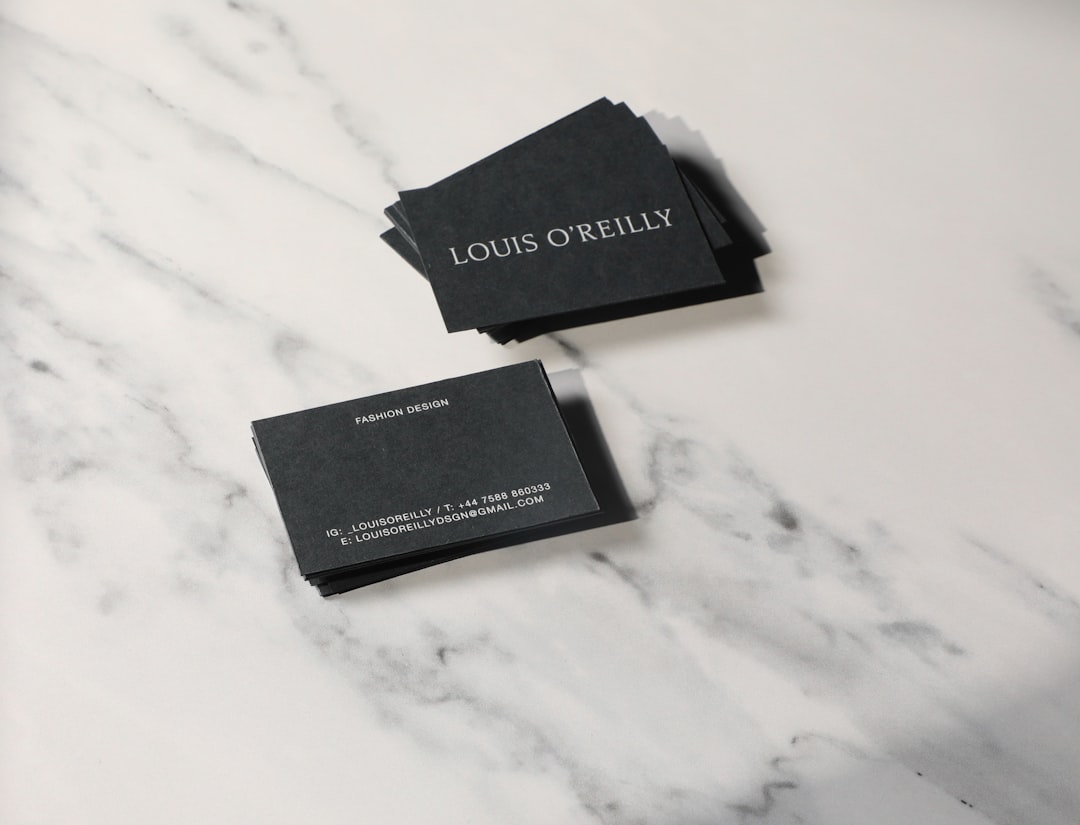
While digital marketers operate largely in online spaces, in-person networking events, client meetings, and workshops still play a significant role in growing partnerships. A well-crafted business card gives a face to a brand, facilitates word-of-mouth referrals, and acts as a tangible memory trigger for contacts met in person.
For small business owners, receiving a polished business card from a digital marketer shows professionalism and intent. It creates trust and acts as a conversation starter. In a market flooded with digital messages, physical cards offer a moment of pause—an analog touchpoint in a digital world.
Why Use Business Card Makers?
Gone are the days of hiring graphic designers for every small design need. Today’s business card makers are intuitive, flexible, and highly customizable, empowering even non-designers to develop strong visual identities. For digital marketers, this means quicker turnaround times and greater control over branding consistency.
Top advantages of using business card makers:
- Speed: Design and finalize cards in minutes.
- Customization: Align cards with brand fonts, colors, and themes.
- Cost-effectiveness: No need for expensive design services.
- Template variety: Wide range of professional design templates.
- Integration: Some tools generate both digital and physical cards simultaneously.
Features to Look for in a Business Card Maker
Not every digital tool is created equal. When selecting a business card maker tailored to digital marketing professionals, it’s important to evaluate the tool based on specific features that maximize functionality and convenience.
Key features:
- User-Friendly Interface: Easy navigation saves hours in design time.
- Digital Card Synchronization: Automatic creation of virtual business cards for online sharing.
- Print-Ready Exports: High-resolution outputs for professional printing services.
- Contactless Sharing Capabilities: QR codes, NFC integration, or direct app linking.
- Branding Controls: Font, logo, spacing, and color palette control.
Top Business Card Makers for Digital Marketers
There are several excellent options available, with various price points and features. Here are some of the best choices for digital marketers who frequently connect with small business owners:
1. Canva
Beloved by creators of all kinds, Canva offers a user-friendly drag-and-drop interface loaded with design templates suitable for every niche. Its business card capabilities are extensive, with easy brand kit integration and social sharing options.
2. Vistaprint
Vistaprint is an industry staple for professionally printed cards but also offers a powerful online editor. It’s geared toward those who want both quality and convenience. Integration with physical goods like brochures and signage makes it a bonus for broader branding efforts.
3. Adobe Express
Formerly Adobe Spark, Adobe Express enables seamless designing with Adobe’s professional polish. Marketers already using Adobe’s products will find the interface familiar and rich in detail manipulation features.
Digital vs. Physical Business Cards
In the digital age, marketers must consider when and how to use physical and electronic formats. Thankfully, many business card makers now offer dual capabilities.
When to use physical cards:
- In-person meetings and conferences
- Retail walkthroughs or trade shows
- Workshops and business development sessions
When to use digital cards:
- Online networking events
- Zoom or Teams meetings
- Email introductions and social media messaging
Some platforms, like HiHello or L-Card, specialize in digital card creation with real-time editing and analytics to track who’s viewed or interacted with the card. These platforms make it easier to adapt as communication flows between online and offline environments.
The Networking Impact for Digital Marketers
Digital marketing often thrives on technology and automation, but genuine relationships remain at the heart of success. A smartly designed business card represents not just contact info—it signifies diligence, thought, and consistency in branding.
For digital marketers working with small business owners, business cards also serve an educational role. Many small businesses are still unfamiliar with modern digital solutions. A QR-enabled card linking to a portfolio, case study, or scheduling page offers immediate engagement and positions the marketer as a knowledgeable, approachable expert.

Tips to Maximize Your Business Card’s Reach
Make it interactive: Incorporate elements like QR codes, social profile icons, or NFC chips linking to your online brand presence.
Keep it clutter-free: Minimalism improves readability and adds a contemporary aesthetic—don’t overwhelm with graphics or text.
Update regularly: As your services evolve, ensure your card evolves too. Edit fields like case study links or newly acquired certifications.
Encourage sharing: Offer a two-sided card where one side introduces your services and the other includes a referral incentive.
Conclusion
Business card makers empower digital marketers to stand out, personalize interactions, and build stronger relationships with small business owners. Whether through eye-catching printable designs or high-tech digital alternatives, the purpose remains the same—to enhance visibility and open doors.
With so many affordable, flexible options available today, overlooking the simple act of leaving a card behind could mean missing a valuable opportunity. When used strategically, custom-designed business cards are more than paper—they are powerful tools for connection and growth.
FAQ
1. Are business cards still relevant in a digital world?
Yes. Business cards remain a tangible and memorable way to create professional connections, especially at in-person events or first-time meetings.
2. Can I design a business card without graphic design experience?
Absolutely. Tools like Canva and Adobe Express offer templates and drag-and-drop functionality that make it easy for anyone to design expert-looking cards.
3. What is the advantage of digital business cards?
Digital cards can be easily shared through messaging apps, email, and QR codes. They often include analytics, allowing professionals to see who opened or engaged with the card.
4. What should be included on a business card for a digital marketer?
Key elements include your name, title, company or personal brand name, contact information, website/portfolio link, and social media profiles. Optional additions can include a QR code and a brief tagline or slogan.
5. How often should I update my business card?
Update your card whenever your contact information, personal branding, or service offerings change. Doing so ensures relevance and professionalism.