

The Xiaomi Poco X3 Pro is renowned for offering top-tier hardware at an affordable price point, drawing the attention of both budget smartphone enthusiasts and mobile gamers. Positioned as a performance-focused device, it has garnered a lot of attention since its release. But how well does it actually perform when it comes to gaming?
TL;DR
The Xiaomi Poco X3 Pro delivers excellent gaming performance thanks to its Qualcomm Snapdragon 860 processor and Adreno 640 GPU. Most modern mobile games run smoothly even on high settings, although thermal throttling can occur under prolonged sessions. The 120Hz display and large battery add to the immersive gaming experience. However, the LCD screen may not offer the same color depth and contrast as AMOLED alternatives in competing devices.
Performance Hardware Overview
At the heart of the Poco X3 Pro is the Snapdragon 860, a high-performance 7nm chipset derived from the Snapdragon 855+. This processor was previously seen in flagship models and is now available in a mid-range segment via the Poco X3 Pro. Coupled with up to 8GB of LPDDR4X RAM and UFS 3.1 storage, the device is well-equipped for multitasking and high-end mobile gaming.
- CPU: Qualcomm Snapdragon 860 (Octa-core)
- GPU: Adreno 640
- RAM: 6GB/8GB options
- Storage: 128GB/256GB UFS 3.1
- Battery: 5160mAh with 33W fast charging
- Display: 6.67″ FHD+ IPS LCD, 120Hz refresh rate
This combination provides a capable foundation for handling graphics-intensive games such as Call of Duty: Mobile, Genshin Impact, and PUBG Mobile.
Gaming Benchmarks
In synthetic and real-world gaming benchmarks, the Poco X3 Pro performs admirably. The Snapdragon 860 comfortably handles demanding games at high settings while maintaining consistent frame rates.
Here are some benchmark and performance results:
- Genshin Impact: Approximately 45–50 FPS on Medium, 30–35 FPS on High settings
- Call of Duty: Mobile: 60 FPS on High settings with minimal frame drops
- PUBG Mobile: Supports Ultra HDR graphics with consistent 40–50 FPS
- 3DMark Wild Life: ~3600 points, placing it well above most other mid-range devices
The Adreno 640 GPU, previously seen in flagship phones like the OnePlus 7 Pro, proves its capabilities once again in the Poco X3 Pro. Its support for advanced graphics APIs such as Vulkan and OpenGL ES 3.2 ensures compatibility and performance with newer game engines.
Display and Visual Experience
One of the standout features of the Xiaomi Poco X3 Pro is its 120Hz refresh rate display. For fast-paced games, this translates into a smoother visual experience and improved responsiveness. The 240Hz touch sampling rate further enhances reaction time, particularly in competitive titles.
However, it’s important to note that the device uses an IPS LCD panel rather than an AMOLED display. While it still offers decent brightness and color accuracy, the lack of deep blacks and reduced contrast can slightly diminish immersion in games that have dark themes or night-time settings.

Despite this, many gamers will appreciate the wide screen, sufficient resolution (1080 x 2400 pixels), and high refresh rate, which contribute to an excellent overall viewing experience at this price point.
Thermal Management and Throttling
Thermal management remains a critical aspect of any gaming smartphone. In this regard, the Poco X3 Pro delivers satisfactory—but not flawless—results. The device features a “LiquidCool Technology 1.0 Plus” cooling system that includes a copper heat pipe and graphite layers to help with dissipating heat.
During short to moderately long gaming sessions, the phone remains cool, with temperatures hovering around 37–40°C. However, in extended sessions lasting over an hour with graphically demanding games, the CPU does exhibit minor thermal throttling. This can drop frame rates slightly, impacting the smoothness of gameplay.
Tips to Mitigate Throttling:
- Play in well-ventilated environments.
- Use a cooling pad or external fan when intensively gaming.
- Lower graphic settings for longer sessions.
This throttle behavior is not unique to the Poco X3 Pro and is common in devices at this price range, but it is worth noting for hard-core gamers who rely on absolute performance consistency.
Battery Life During Gaming
The 5160mAh battery in the Poco X3 Pro is suitably sized to provide long gaming sessions without constant recharging. On average:
- Genshin Impact: ~4.5 hours continuous gameplay
- Call of Duty: Mobile: ~6 hours at 120Hz
- Casual games (e.g., Clash Royale): ~8–9 hours
The device supports 33W fast charging, which brings the phone from 0 to 100% in just under an hour. This quick recharge capability benefits gamers who don’t like to stay tethered to the wall for long intervals between matches.
Software and Gaming Features
The Poco X3 Pro runs on MIUI for POCO, based on Android. While MIUI has occasionally faced criticism for bloatware and aggressive memory management, it has matured significantly in recent versions. As of the current MIUI version shipped with the device, gaming is augmented by the inclusion of the Game Turbo software suite.
Game Turbo optimizes resources, blocks unnecessary background processes, and gives the player tools such as real-time CPU/GPU usage, FPS tracking, and screen recording/touch-lock features. It also supports voice changers and network enhancement tools for multiplayer gaming.
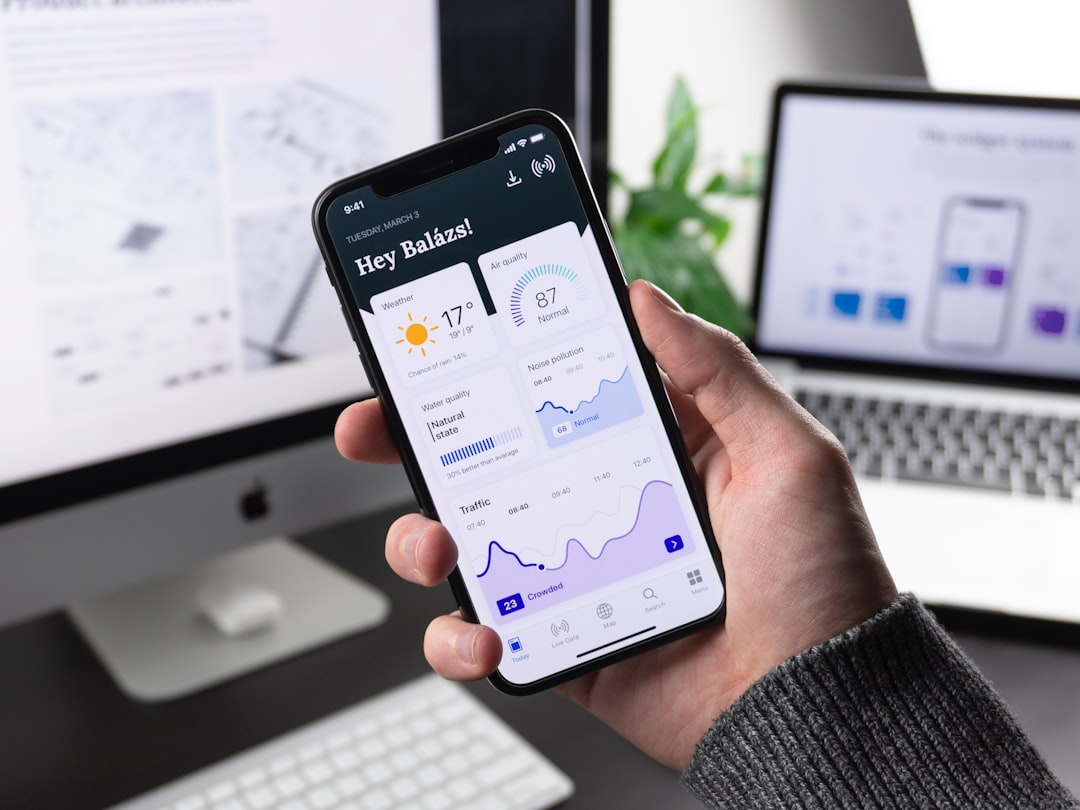
This emphasis on software optimization indicates that Xiaomi has considered not just the hardware, but the entire gaming experience as a package.
Ergonomics and Design Aspects
Weighing in at approximately 215g and with a rugged build design, the Poco X3 Pro is slightly on the heavier side. While this weight offers a solid grip and premium feel, long hours of handheld gaming can lead to hand fatigue. The device includes dual stereo speakers that provide surprisingly clear and loud audio, an often-overlooked but significant feature for immersive gameplay.
It also includes a reliable 3.5mm headphone jack – a rare sight in modern smartphones – giving gamers the flexibility to use wired headsets with minimal audio lag.
Is the Poco X3 Pro Future-Proof for Gaming?
While the Poco X3 Pro handles current titles admirably, questions remain about how it will perform over the next 2–3 years. The Snapdragon 860, though powerful, is not a brand-new chip, and future titles with more demanding graphical assets may push the hardware to its limits. That said, the strong CPU and fast UFS 3.1 storage should keep performance issues at bay for most upcoming games for at least the next generation or two.
With regular software updates and a strong online community, the Poco X3 Pro remains a solid choice even for those looking toward future compatibility.
Final Verdict
The Xiaomi Poco X3 Pro represents one of the best value-for-money devices for mobile gamers in the sub-$300 category. It punches above its weight with strong performance, a high refresh-rate display, and gaming-focused features that are rarely found in this segment. While it has a few shortcomings, such as the use of an IPS display and occasional thermal throttling, these are largely outweighed by the device’s strengths.
Final Score for Gaming Performance: 8.5/10
Recommended For:
- Casual to intermediate mobile gamers
- Users prioritizing performance on a budget
- Gamers who want a flagship-level SoC at a mid-range price
The Poco X3 Pro sets a high bar for what can be expected in the budget gaming smartphone space, making it a compelling option for anyone looking to game seriously without breaking the bank