Fingerboarding might look like child’s play at first glance, but under its miniature wheels lies a thriving culture of precision, creativity, and technical mastery. What started as a toy has evolved into a niche sport complete with custom equipment, competition circuits, and a die-hard community of enthusiasts who continually push the boundaries of what can be done on a two-inch plank. Whether you’re new to the scene or aiming to level up, understanding the tech behind fingerboards and how to master advanced tricks can radically enhance your performance.
TL;DR:
Fingerboarding is more than a fun pastime—it’s a skill-intensive hobby requiring dexterity, technique, and the right hardware. This article dives into advanced tech setups, trick progression, and practice techniques that can help seasoned riders take their fingerboarding to the next level. From choosing pro-grade decks to perfecting finger flips, we cover all the essentials. Get ready to move past ollies and into the world of impossibles, lasers, and beyond.
What Makes a High-Performance Fingerboard?
A basic plastic fingerboard might work for beginners, but it won’t hold up when trying advanced tricks. Upgrading your equipment unlocks new possibilities and greater control. Here are some key components that make up a high-performance fingerboard:
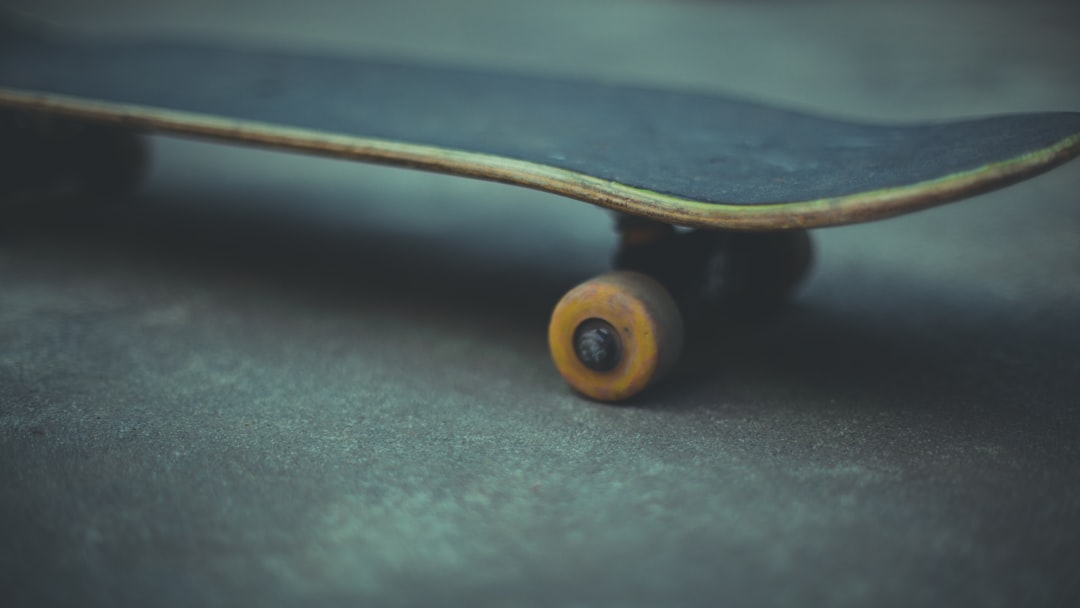
- Deck: Real wood decks with multiple plies offer authentic feel and durability. The concave and kicks shape affect how tricks respond under your fingers.
- Trucks: Metal trucks with upgraded bushings provide smoother turning and better flick control. Some models offer tuning options akin to real skate trucks.
- Wheels: Precision bearings and urethane construction give a better grip and consistent roll compared to plastic wheels.
- Grip Tape: Foam grip tape provides more friction and control than sandpaper-style options, especially for flips and grinds.
If you’re looking to perform advanced tricks like hardflips, impossibles, or tre flips consistently, it’s worth investing in pro-grade gear customized to your style and comfort.
Building the Foundation: Mastering Intermediate Techniques
Before leaping into complex tricks, ensure mastery of intermediate maneuvers. These tricks form the skeleton of more elaborate combinations and help develop the muscle memory needed for consistency.
- Kickflip: Fully rotating the board with your index finger mimics the base for harder flips and variations.
- Heelflip: Requires more nuanced finger movement and balance, improving board control.
- Shuvit: Teaches board rotation through a sweeping motion which translates into bigspins and more.
- Manuals: Improves your ability to balance and link tricks together, enabling lines and combos.
Practice doesn’t just make perfect—it builds instinct. Start slow, record yourself, and pay attention to finger placement and board response after each trick.
Breaking Into Advanced Fingerboard Tricks
Now it’s time to explore the holy grail of fingerboarding with some high-level freestyle moves. These tricks demand not just finger dexterity but also total synergy between technique and equipment setup.
- Impossible: A mind-bending trick where the board wraps vertically around the index finger. The key lies in curl motion and precise pressure distribution.
- Laser Flip: Combining a 360 shuvit with a heelflip, this trick is all about timing and wrist-flick momentum. Good grip tape is crucial here.
- 360 Hardflip: Think of a tre flip’s more temperamental cousin requiring flick, scoop, and catch—all within a second.
- Fingerboard Ramps and Vert Tricks: Utilizing miniature ramps unlocks noseblunt slides, ollie to fakies, and even mini handplants with enough control.
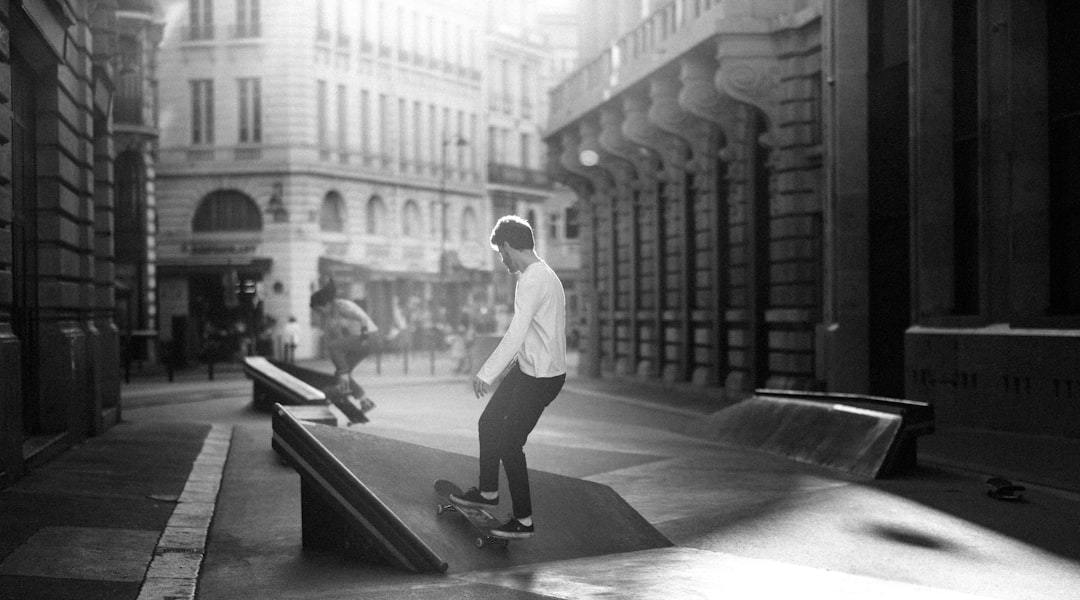
It’s recommended to use slow-motion video capture for diagnosis and improvement. Examine frame-by-frame where your timing or pressure alters the trick’s trajectory. Tiny calibrations make massive differences.
Essential Training Tools and DIY Setups
Just as skateboarders use foam pits and rails to learn tougher maneuvers, fingerboarders benefit from a personalized training environment. Because the practice doesn’t rely on muscle fatigue like in full-size skateboarding, short but intense sessions are most effective.
Top tools & ideas for advanced training setup:
- Tech Deck or Custom Parks: Modular parks with banks, rails, and ledges can be rearranged to mimic real-world layouts.
- Camera Mount: Position your phone or camera overhead to analyze movement patterns with high accuracy.
- DIY Rails and Ledges: Household objects like rulers, erasers, and wooden blocks become training gear with a bit of creativity.
- Obstacles with Adjustable Height: Perfect for gradually building courage and consistency with gaps and ledges.
Hardcore fingerboarders sometimes even build wood-and-glue replicas of famous skate parks like The Berrics or MACBA to challenge themselves in authentic settings. Not only does this boost your skill, it also sharpens your adaptability.
Maintaining Your Fingerboard: Tech Tuning Tips
Just like a pro skater tunes their board, an advanced fingerboarder needs to keep their setup dialed in. Here’s how:
- Check bushings regularly: Rubber degrades over time, and worn bushings can throw off turning control.
- Tighten or loosen trucks depending on your trick style: Looser trucks help with flow and flips, but tighter ones aid in stability.
- Replace grip tape as needed: Foam wears out faster with intense use—refreshing it improves responsiveness.
- Clean bearing wheels: Dust or hair buildup can slow you down. A quick cleaning session can restore full roll power.
Think like a mechanic. The smoother your setup, the less you fight friction and imprecision—and the more your fingers can focus on flair.
When to Start Filming and Going Public
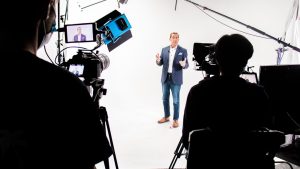
Once you’ve built a respectable trick arsenal, consider sharing your runs online. TikTok, YouTube Shorts, and Instagram Reels are go-to platforms for showcasing your skills and getting valuable peer feedback.
Pro tips for filming:
- Use a tripod or overhead arm to keep shots steady and centered.
- Include slow-mo reruns for advanced tricks—these wow an audience and help others learn.
- A good natural or LED lighting setup minimizes blur and brings out the crisp action.
- Editing apps like CapCut or InShot can add music, titles, and effects for that professional touch.
The fingerboard community is surprisingly welcoming, offering comments, advice, and even challenges you can take part in. You might even catch the interest of a custom gear sponsor if your clips go viral.
Conclusion: Fingerboarding as an Evolving Art Form
Far from being a gimmick, fingerboarding embraces a rare blend of technical mastery, creativity, and personalization. Advanced tricks demand not only skill but a constant commitment to innovation—whether it’s refining your impossible or building a custom mini-park. With the right gear, patience, and daily doses of practice, any enthusiast can reach fingerboarding’s next level.
The best part? There’s always something new to learn, build, or invent in this evolving microcosm of skate culture. Happy shredding!