In the rapidly evolving world of social media, where trends emerge and fade at lightning speed, staying updated with commonly used slang and abbreviations is essential for understanding online culture. From hashtags to acronyms, platforms like Instagram, TikTok, and Twitter are teeming with unique linguistic trends that often leave outsiders puzzled. One such term that has gained massive popularity in recent years is OOTD.
TL;DR: OOTD stands for Outfit of the Day. It’s a popular acronym used on social media to showcase daily fashion choices. Influencers and everyday users alike use #OOTD to highlight their style, inspire followers, or simply document what they’re wearing. The trend is not just about clothing—it’s become a form of self-expression and a creative fashion statement.
What Exactly Does OOTD Mean?
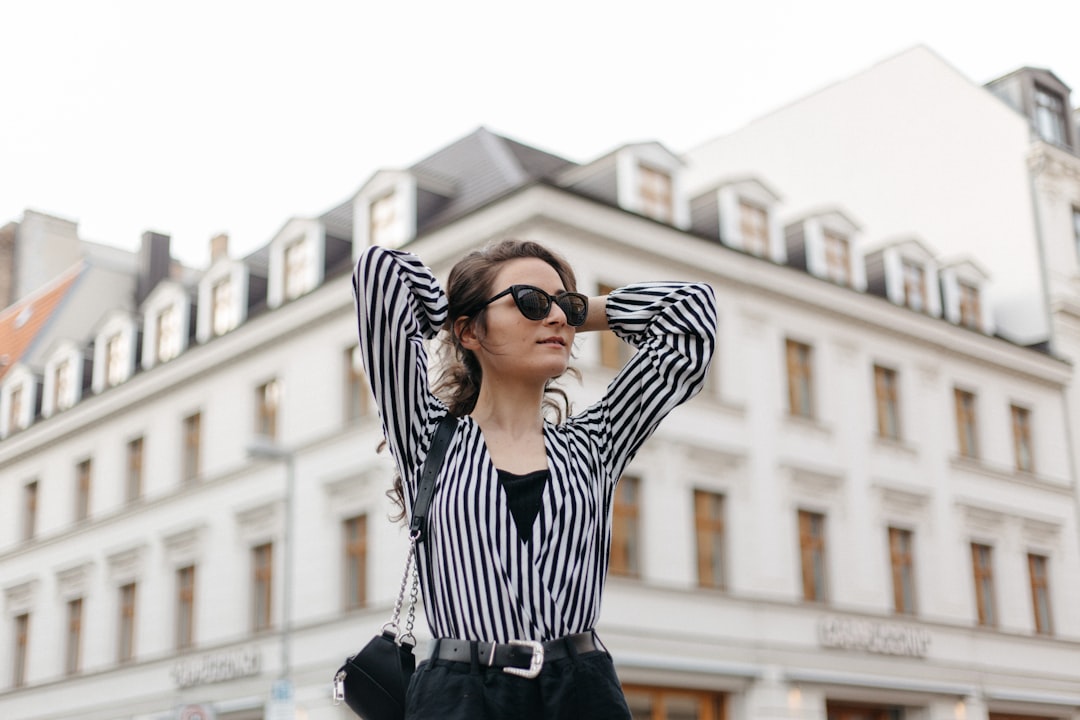
OOTD is short for Outfit of the Day. It refers to a person’s chosen attire that they decide to share online, typically through a photo accompanied by the hashtag #OOTD. This concept is widely embraced on visual-first platforms like Instagram, TikTok, and Pinterest.
The origin of OOTD dates back to early fashion blogging days in the 2000s, where influencers and bloggers would post regular updates on what they wore. As social media grew more visual and mobile, the hashtag gained traction, becoming a tool for fashion enthusiasts to share their style with the world in real-time.
How is OOTD Used on Social Media?
OOTD content has become extremely diverse. It’s no longer just for professional influencers. Here’s how people commonly use the term across platforms:
- Instagram: Posts with mirror selfies or professional photos under the hashtag #OOTD.
- TikTok: Quick outfit changes synced to music or “Get Ready With Me” videos showcasing the process.
- Pinterest: Curated outfit boards labeled with OOTD themes for inspiration.
- Twitter: Users sometimes share witty takes on daily outfits or post aesthetic shots accompanied by a brief caption.
Why is OOTD So Popular?
OOTD has remained a relevant trend for several reasons:
- Self-expression: It allows people to express their personal style and mood.
- Community: Fashion enthusiasts can connect, compliment, and inspire one another.
- Creativity: Many use it as a creative outlet, styling different outfits and photographing them uniquely.
- Inspiration: OOTD posts help others find styling ideas for various occasions.
Moreover, with the proliferation of fashion-related content, such as “day in the life” vlogs or seasonal outfit hauls, OOTD fits perfectly into the lifestyle narrative popular among content creators.
The Rise of OOTD in Influencer Culture
In an era where social media influencers shape consumer behavior, OOTD posts have become a marketing goldmine. Fashion brands often collaborate with influencers who post their daily looks while tagging or mentioning the brands involved. These partnerships often lead to:
- Affiliate marketing revenue for influencers.
- Broader exposure for brands.
- Shoppable posts where followers can directly purchase featured items.
This synergy between style and marketing has positioned OOTD as a core component of digital branding strategies, especially in the fashion and lifestyle niches.
Variations of OOTD
Over time, creative users have developed variations of the OOTD trend to diversify their content. Some of the popular spin-offs include:
- OOTN: Outfit of the Night – focuses on nighttime or party wear.
- GRWM: Get Ready With Me – a video format showing the process of choosing and putting on an outfit.
- WIWT: What I Wore Today – similar to OOTD, sometimes used as a blog series or hashtag.
- Fit Check: A quick video or image showing off the day’s outfit, usually more casual and spontaneous.
These derivatives continue to evolve with platform trends and seasonal fashion changes.
OOTD: A Tool for Personal Branding
For many individuals, especially content creators and professionals in the fashion industry, consistent OOTD posts serve as a form of personal branding. They reflect not only what a person wears but also:
- Their aesthetic
- Values and identity
- Attention to detail and presentation
In this way, an outfit becomes more than just apparel; it becomes a statement. Regular engagement with fashion-related content also helps some establish themselves as style leaders or trendsetters within their communities.
How to Create a Great OOTD Post
Creating a compelling OOTD post involves more than putting on clothes and taking a picture. Here are some tips to elevate your OOTD content:
- Lighting: Natural light works best for showing true colors and textures.
- Composition: Choose a clean background and frame your outfit well.
- Edit thoughtully: Enhance but don’t overdo filters.
- Caption wisely: Include details like where the outfit pieces are from, your inspiration, or how the look made you feel.
- Use hashtags: Tags like #OOTD, #StyleInspo, or #LookOfTheDay make your content discoverable.
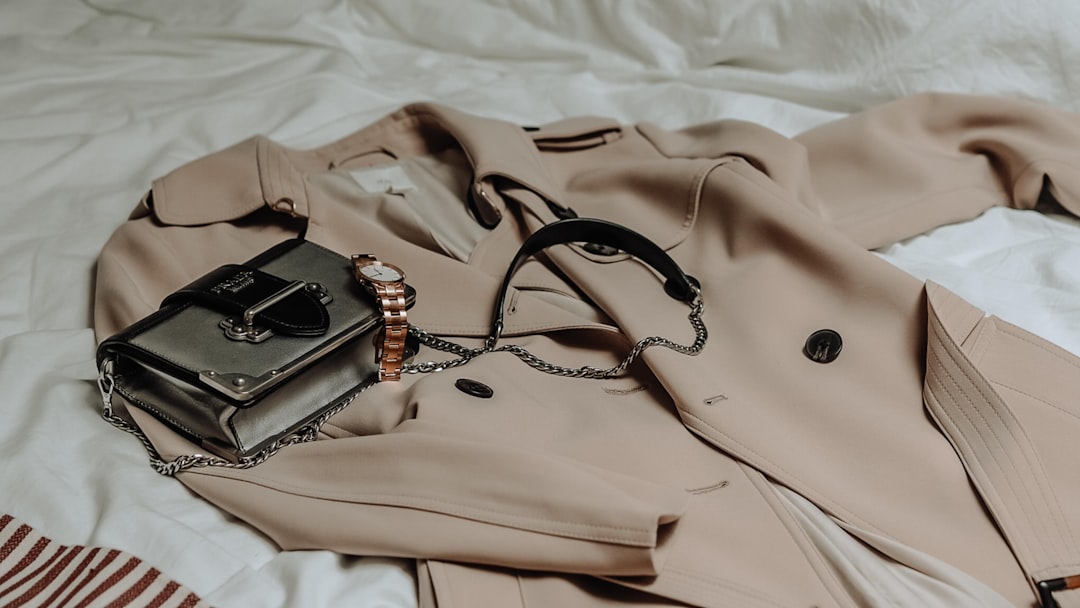
The Impact of OOTD on Fashion Trends
OOTD posts often play a significant role in shaping mainstream fashion trends. When numerous users begin showcasing a specific type of clothing—like oversized blazers, chunky boots, or pastel tones—it signals a broader trend movement. Fashion brands take note of these grassroots shifts and often adapt their lines accordingly.
Additionally, micro-trends, which typically arise from niche communities or subcultures, are often first seen in OOTD content before reaching the broader market. Platforms like TikTok have accelerated this trend cycle, with viral OOTD videos catapulting unknown styles into the limelight within days.
Beyond Fashion: OOTD as a Reflection of Mood
Many individuals use their OOTD not just to show what they’re wearing, but to express how they feel. Bright colors may reflect a cheerful mood, while darker tones could signal a low-key or pensive state. This subtle expression allows followers to connect on a deeper emotional level, making the content feel more authentic and engaging.
Conclusion
While it began as a simple acronym, OOTD has evolved into a dynamic and culturally significant trend across digital platforms. It’s a powerful way for people to showcase identity, inspire others, and even fuel professional opportunities. As social media continues to innovate new forms of expression, OOTD shows no sign of going out of fashion.
FAQ
-
Q: What does OOTD stand for?
A: OOTD stands for “Outfit of the Day.” It’s commonly used on social media to showcase what someone is wearing that day. -
Q: How do I use the hashtag #OOTD?
A: Simply take a photo or video of your outfit and upload it to your preferred social media platform with the hashtag #OOTD. -
Q: Is OOTD only for influencers?
A: Not at all. While influencers use it often, anyone can participate and share their daily style. -
Q: Can OOTD posts be casual?
A: Absolutely. People share everything from high-fashion looks to their comfy home wear—it’s all about engaging authentically. -
Q: Are there apps or tools to help improve my OOTD posts?
A: Yes, apps like VSCO, Lightroom, and Canva can help you edit, stylize, or layout your OOTD visuals more professionally.